Read
Fear-Setting: How to Face What Scares You on One Sheet of Paper
You know the feeling. There is a decision you keep circling: the job, the move, the conversation, the project. Every time you get close, a fog rolls in. Not a clear “no”, just a vague, heavy sense that something bad might happen.
That fog is the problem. Fear thrives on vagueness. It is very hard to argue with “something bad”. It is much easier to deal with “I might lose three months of savings, and here is how I would earn them back”.
Fear-setting is a simple exercise that turns the fog into a list. The idea is old (the Stoic philosopher Seneca recommended rehearsing the worst case so it loses its grip), and it was popularised more recently by author Tim Ferriss. You need one sheet of paper and about twenty minutes.
Step 1: Define the worst case
Write the decision at the top of the page. Then list everything that could realistically go wrong if you did it. Not movie-plot disasters: real outcomes. “My boss is annoyed.” “The first version flops.” “I feel embarrassed for a week.”
Aim for 10 to 20 items. Seeing them in ink already changes something. Many look smaller than they felt in your head.
Step 2: Prevent
Next to each item, write what you could do to make it less likely. Saving a buffer. Talking to someone who has done it. Testing a small version first. This column turns worry into preparation.
Step 3: Repair
Now the most powerful column. If the worst case happened anyway, how would you repair it, or who could you ask for help? Most people discover that nearly every item is recoverable. Painful, maybe. Permanent, rarely.
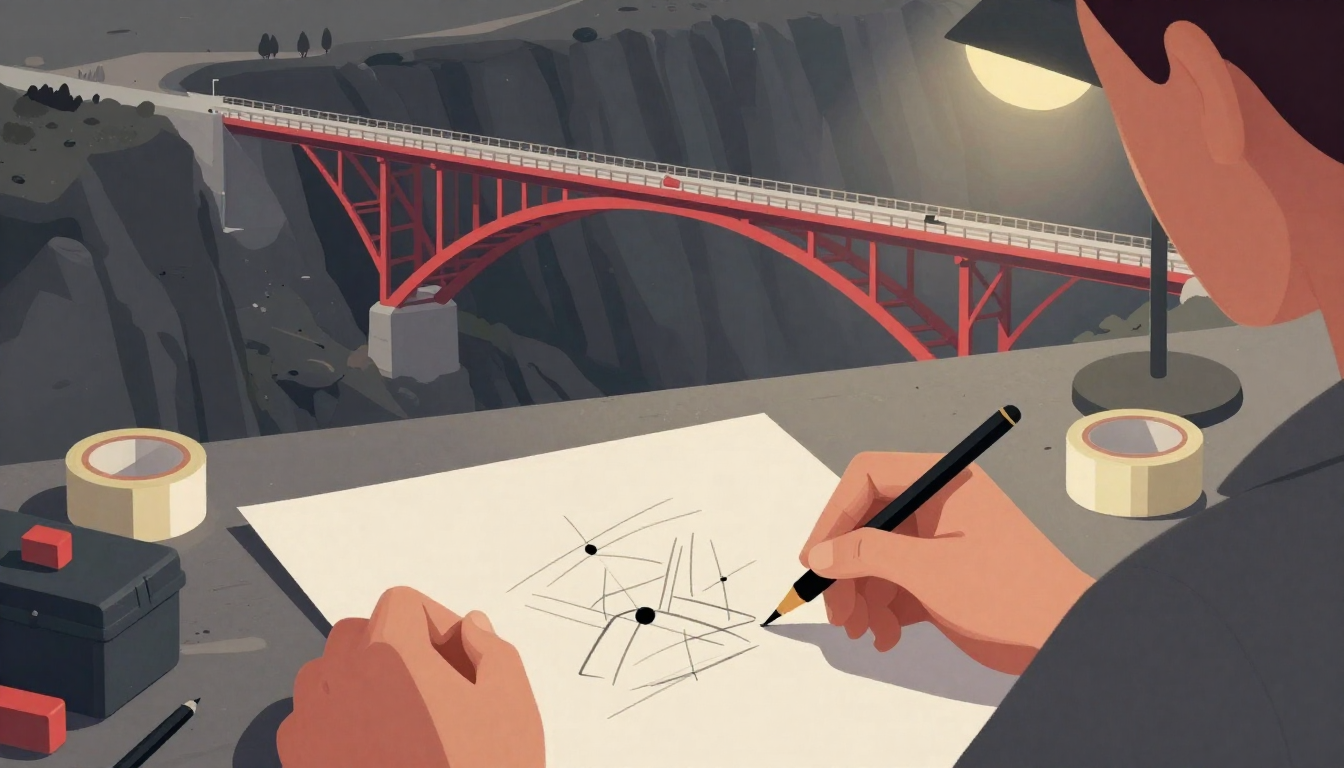
Courage is not the absence of fear. It is having looked at the fear long enough to decide it is not the boss.
Step 4: The benefits of trying
On a second page, write what you could gain from an attempt, even a partial success. Skills, confidence, contacts, a story, information about what you really want. Partial success is still a lot.
Step 5: The cost of doing nothing
This is the column we skip. If you change nothing, what does your life look like in six months? In one year? In three? Inaction feels safe because its cost is slow and quiet. Write it down anyway. For many people, this is the page that finally makes the decision.
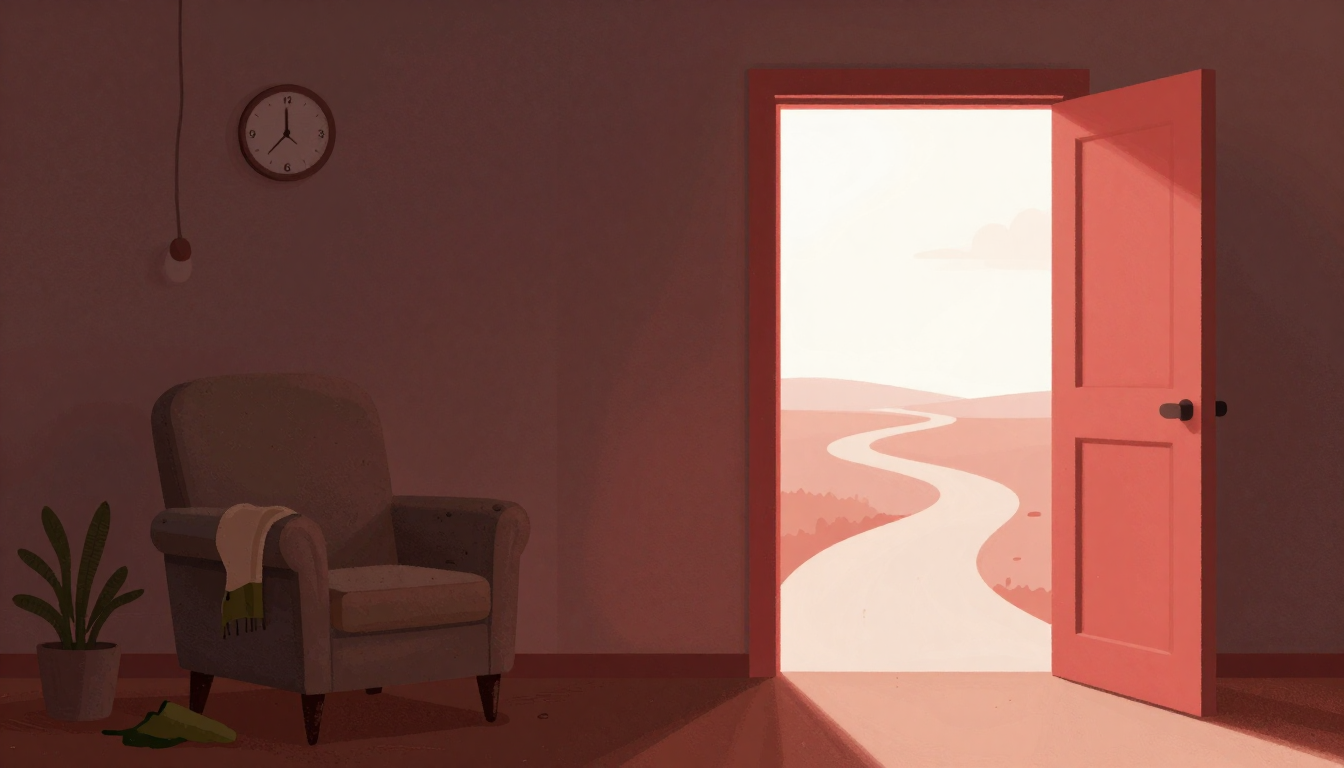
What to do with the sheet
You are not trying to eliminate risk. You are trying to see it clearly. After fear-setting, most people land in one of three places:
- Go: the downside is survivable and the cost of waiting is high.
- Go smaller: test a reduced version first (a side project instead of quitting, a weekend trip instead of moving).
- Not now, on purpose: you decided with open eyes, and you set a date to revisit.
All three are better than the fog.
Want the template? Download the free Fear-Setting Worksheet from the Toolkit and do it tonight. Then send us one line about what you decided.
This article is for general self-development. It is not medical, psychological or financial advice. If fear or anxiety is overwhelming your daily life, please talk to a qualified professional.